THE REASONS BEHIND THE PICKS
What matters.
And what doesn't.
Where you'll wear it at night comes first, because a device left on the nightstand records nothing. Next come three years of cost once any membership or coaching plan is counted, the phone it needs and how often it needs charging. Warranty and returns matter too, and so does whether the device can still be imported. We don't rank devices by readiness, recovery, Healthspan or Pace of Aging scores. Nor do we use accuracy figures measured on an earlier model or by the maker itself, or longevity claims. An FDA clearance covers the feature that was cleared, not every reading on the device.
01Ring, band, watch or armband
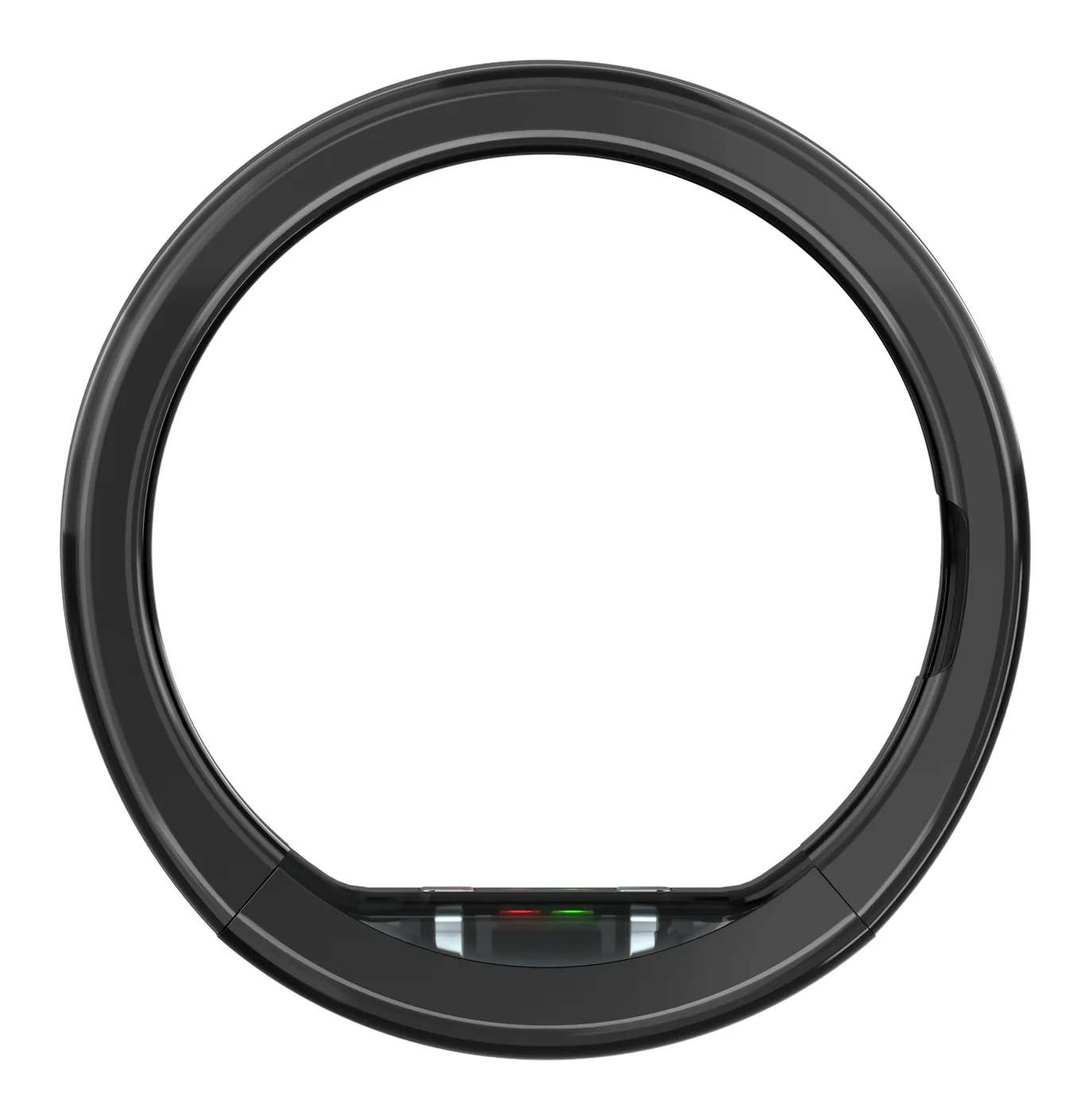
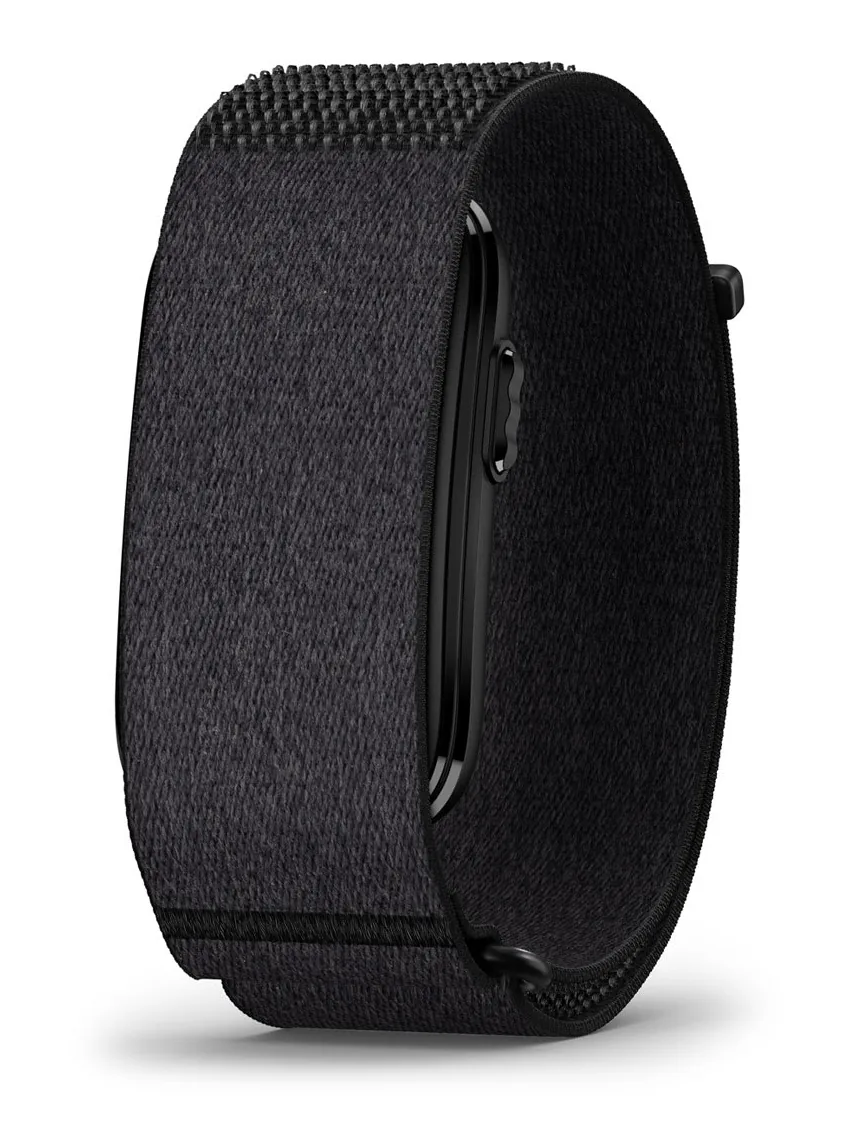
Six of the 13 devices are smart rings. Four are screen-free bands you read in an app: WHOOP Peak, Google Fitbit Air, Garmin CIRQA and Polar Loop. Apple Watch Series 12 and Samsung Galaxy Watch9 are full smartwatches. Garmin's Index Sleep Monitor is a band worn on the upper arm for sleep only, aimed at people who don't wear a watch at night. Ring sizing is maker-specific: Oura Ring 5 and RingConn Gen 3 size differently from earlier rings of the same brand.
What to checkDecide what you'll actually keep on overnight. Then use the maker's sizing kit for the exact ring before you order. RingConn's kits can't be returned, and Samsung's sample rings stop at size 13.
02What you keep paying
Oura charges $69.99 a year (or $5.99 a month) after the first month for most insights. WHOOP sells Peak only as a $239-a-year membership. Ultrahuman, RingConn, Samsung, Polar and Google list no required fee, and Garmin says CIRQA needs none. Apple lists none for the Series 12 health features. Counting fees at list prices, three years come to $717 for WHOOP Peak, $608.97 for Oura Ring 5 and about $559 for Oura Ring 4. The no-fee devices cost only their purchase price, from $99.99 for Fitbit Air to $479 for Ultrahuman Ring PRO. Garmin doesn't say whether the Index Sleep Monitor needs a paid plan.
What to checkAdd three years of fees to the price, and see what the app shows if you stop paying. Price optional add-ons too, such as Ultrahuman's PowerPlugs.
03What coaching costs after the free trial
Free tracking doesn't always mean free coaching. Fitbit Air comes with 3 months of Google Health Premium, which adds a coach built with Gemini and detailed sleep insights. After that, Premium starts at $9.99, and Google doesn't say whether that's a month or a year. On CIRQA, guided workouts need Garmin Connect+, which costs $6.99 a month or $69.99 a year. Garmin's pages don't say whether the Index Sleep Monitor needs a paid plan. Oura includes the first month of its membership, and WHOOP offers a free month of Peak with a certified pre-owned strap. Polar says Loop has no monthly fees and no locked features.
What to checkNote when each trial ends and what it renews at. If you already pay for Google Health Premium, Google says to cancel it before Fitbit Air's free months can start. Samsung's iFIT and Strava offers with Galaxy Watch9 become paid plans unless you cancel, and Ultrahuman doesn't state PowerPlug renewal prices.
04Your phone, the charger and the sync
Apple Watch Series 12 needs an iPhone 11 or later on iOS 27 or later. Galaxy Ring needs a compatible Samsung phone, and Samsung lists Galaxy Watch9's sleep apnea and bedtime features for Android 13 or later. Oura, Fitbit Air and both RingConn rings work with iPhone and Android. Stated battery life runs from up to 24 hours on the Apple Watch to up to 15 days on Ultrahuman Ring PRO. Samsung rates Galaxy Watch9 at up to 30 hours with the always-on display on. On-device storage runs from up to 3 days on Oura Ring 5 to 4 weeks on Polar Loop and up to 250 days on Ultrahuman Ring PRO.
What to checkConfirm your phone model and software version. Then check how many days the device can go without charging or syncing when you travel.
05Evidence, warranty and returns
Oura is the only maker here whose accuracy claims point to published sleep-lab studies, and those tested earlier rings. The independent review that covers WHOOP tested older straps, and Apple's heart-rate accuracy claim rests on its own study. The other makers publish no accuracy figures for these models on the pages checked. Oura, Ultrahuman, WHOOP and Polar take returns within 30 days, Google within 15 and Apple within 14. RingConn takes them within 14 days only for a valid reason such as a defect. Samsung.com allows 15 days for watches, with a 5% restocking fee unless the watch is damaged or defective. Samsung doesn't state a US warranty length, and Garmin's warranty and returns pages couldn't be read.
What to checkLook for a validation study of the current model. Read what the warranty leaves out, such as batteries, loss and accidental damage, and confirm who pays return shipping.
06Whether it can be sold in the US
A patent case can stop a ring from being imported. In August 2025, the US International Trade Commission (ITC) issued an order barring imports of Ultrahuman and RingConn rings that infringe an Oura patent. Ultrahuman's original Ring AIR was found to infringe. In March 2026, US Customs ruled that Ring PRO's one-piece titanium housing puts it outside that order. The ruling comes with conditions, including a certification from Ultrahuman. RingConn settled with Oura and licensed the patent, and the ITC's December 2025 notice removed RingConn from the order.
What to checkBuy from the maker's US store or an authorized US retailer, and check that the exact model is the one sold there. Ultrahuman's Ring AIR and Ring PRO are different rings.