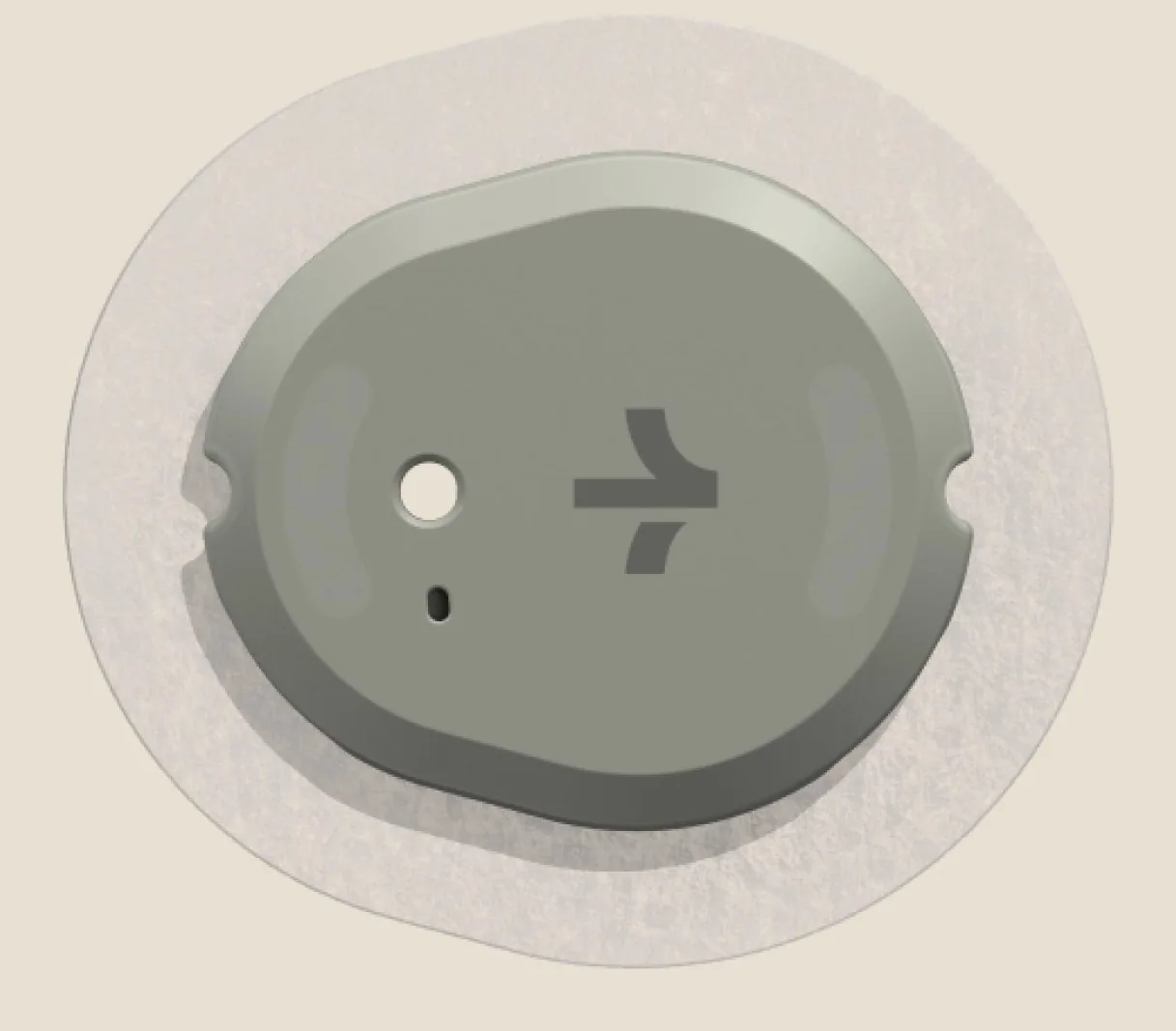
Dexcom
Dexcom Stelo Glucose Biosensor
Over-the-counter CGM with 15-day sensors for anyone 2 or older not on insulin
$99
Compare with this one →Our low-commitment glucose pick
One 14-day over-the-counter CGM sensor that doesn't auto-renew
Source-based analysis, not hands-on testing. Our method
Cofounder of Superhuman Chambers · About the author. General information, not medical advice. No independent clinical review is claimed.
Lingo's 2-week plan is the cheapest way for adults 18 and older not on insulin to try Abbott's FDA-cleared, no-prescription CGM. For $54 you get one biosensor of up to 14 days, and the plan doesn't renew. The catch: the app gives no glucose alerts, and wearing it year-round costs about $1,408 a year at this price.
Two weeks is a short sample, and ongoing tracking costs about $1,080 to $1,410 a year. The refund guarantee covers only a first purchase, and Abbott says 14.7% of biosensors may end before day 11.
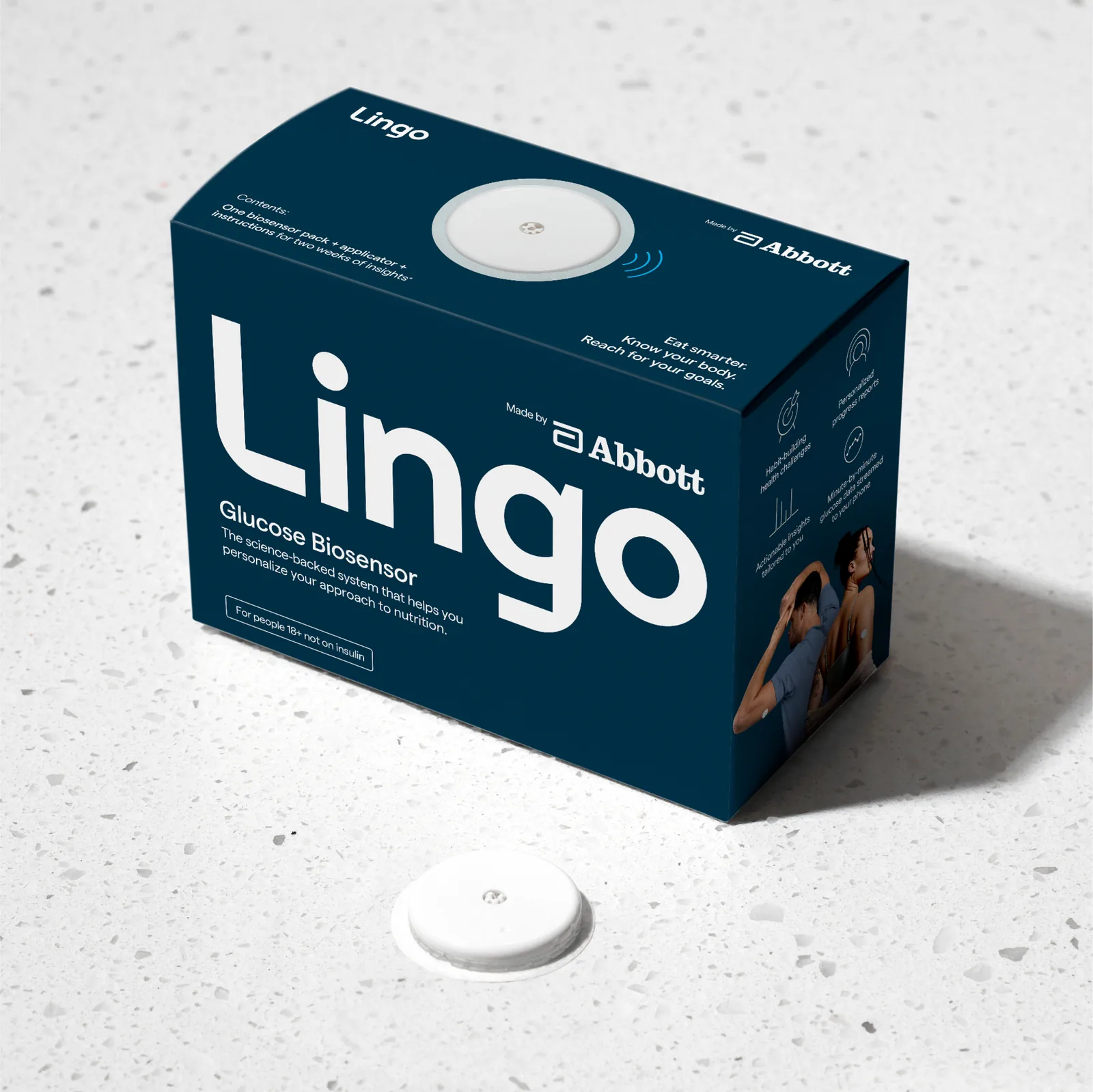
Model reviewed: 2-week plan: 1 Lingo biosensor (up to 14 days) with full app access, no commitment and no auto-renewal
US price, checked
No affiliate commission on this link. Check the exact variant before buying.
Lingo's US plan page lists the 2-week plan at $54 for 1 biosensor ("$54 per biosensor"). It's labeled "No commitment. This plan does not auto-renew." Shipping is free, and tax is calculated at checkout. No strikethrough, sale or coupon price was shown for this plan. The 4-week plan is $89 for 2 biosensors ($44.50 each, "Save 17%") and doesn't auto-renew. The 12-week subscription is $249 for 6 biosensors shipped every 12 weeks ($41.50 each, "Save 23%"), and it auto-renews at that price. A separate line reads "Subscribe and save 5% more". The page lists Lingo as HSA/FSA eligible. A banner on the Terms of Sale page offers an unspecified "discount off your first purchase", which isn't applied to this price.
A GOOD FIT FOR
An adult not on insulin who wants a two-week, no-prescription look at how meals and activity move their glucose, without a subscription.
THINK TWICE IF
| Exact variant | 2-week plan: 1 Lingo biosensor (up to 14 days) with full app access, no commitment and no auto-renewal |
|---|---|
| Sensor wear | Up to 14 days per biosensor, with a glucose reading every minute (1-hour warm-up, per the 2024 510(k) summary) |
| Biosensors per plan | 1 on the 2-week plan ($54), 2 on the 4-week plan ($89), 6 every 12 weeks on the 12-week subscription ($249) |
| Commitment | None on the 2-week and 4-week plans, which don't auto-renew. The 12-week subscription renews every 12 weeks at $249 unless you cancel at least 2 business days before renewal |
| Alerts | None (the 510(k) summary says the app gives no glucose or system alerts) |
| Water resistance | Up to 3 ft (1 m) of water for up to 30 minutes (IP27, per the 510(k) summary). Lingo's help center says you can bathe, shower and swim while wearing it |
| Who it is for | US adults 18 and older who aren't on insulin (not intended to diagnose disease, including diabetes) |
| App and phone | Full app access with every plan. Lingo's compatibility list covers iOS 15.2 to 26.5 (iPhone 11 series and newer) and Android 12 to 16 on listed devices. The sensor starts by NFC and sends data over Bluetooth Low Energy |
| Refunds and replacements | 30-day money-back guarantee on your first Lingo purchase only. Faulty biosensors are replaced free or refunded during their 14-day wear. Ones that fall off early without a defect are replaced free up to 3 times in any 6 months |
| Dimensions | Not stated by the manufacturer. The plan page, help-center articles and 510(k) summary we checked don't give the biosensor's size. |
| Materials | Not stated by the manufacturer on the pages checked. The 510(k) summary describes a sensor tail inserted into the tissue under the skin. Lingo's help center says biosensors aren't reusable and can't be re-sterilized. |
No installation. According to the FDA 510(k) summary, the biosensor goes on the back of the upper arm, with its sensor tail inserted into the tissue under the skin. Your phone starts it by NFC and receives readings over Bluetooth Low Energy. The summary also lists a 1-hour warm-up. For contact sports, Lingo's help center suggests a spot on the back of the upper arm where it's less likely to get knocked. Biosensors can't be reused. Lingo's compatibility list for app version 1.12.0 covers iOS 15.2 to 26.5 on iPhone 11-series and newer models. On Android, it covers versions 12 to 16 on listed devices. The help center asks Android users to check the compatible-device list before buying, and says Android 16 support may be limited to select devices.
Lingo doesn't describe a separate limited warranty. Its Terms of Sale say a purchase must conform with its description, be of satisfactory quality and be reasonably fit for its intended purpose. They limit your exclusive remedies to fixing faults or the value of US$100. If a biosensor proves not fit for purpose during its 14-day period, you can get a free replacement or request a refund. Lingo may ask you to return it. A biosensor that falls off early without a defect is replaced free up to 3 times in any 6-month period. To qualify, phone customer service on the day it falls off and keep the sensor.
The 30-day money-back guarantee covers only your first Lingo purchase. Claim within 30 calendar days of delivery, through customer service or the "Return order" option in your Lingo account. The refund, including any shipping charges, goes to your original payment method within 14 business days. The terms don't say whether a used biosensor qualifies. One-time purchases like this plan can't be canceled. Apart from the guarantee, the terms describe refunds only for faulty biosensors.
Lingo is Abbott's over-the-counter continuous glucose monitor for adults 18 and older who aren't on insulin. The 2-week plan costs $54 for one biosensor, with full app access and no auto-renewal. Wearing it year-round would cost about $1,408 a year at that price, or about $1,082 on the 12-week subscription. The app gives no glucose or system alerts, and the plan page says Lingo isn't intended to diagnose disease, including diabetes. Abbott's own footnote says 77.1% of biosensors lasted the full 14 days in a study. The 30-day money-back guarantee covers only your first Lingo purchase.
Strengths on paper
Limitations
Adjust the assumptions for your use. Missing costs stay unknown.
PLAN YOUR OWNERSHIP COSTS
Change the assumptions to fit your use. Leave an unknown cost blank. Add water, subscriptions, cleaning, shipping and taxes if they apply. Use average operating power, not the maximum rating.
3-year planning total
$4,277.58Every field has a value. This is an estimate, not a quote.
Energy component: $0.00
Purchase + installation + years × (annual consumables + annual other) + watts/1000 × hours/day × 365 × years × $/kWh. Annualized allowances, not an exact replacement schedule. Excludes taxes, shipping, finance and resale unless entered.Recorded recurring parts and refills:
Are longevity blood tests and biological-age clocks worth it? Our evidence review grades the research as Not supported. That grade is about the claim, not about this product.
Is a CGM worth it if you don't have diabetes? What the evidence shows →
Dexcom
Over-the-counter CGM with 15-day sensors for anyone 2 or older not on insulin
$99
Compare with this one →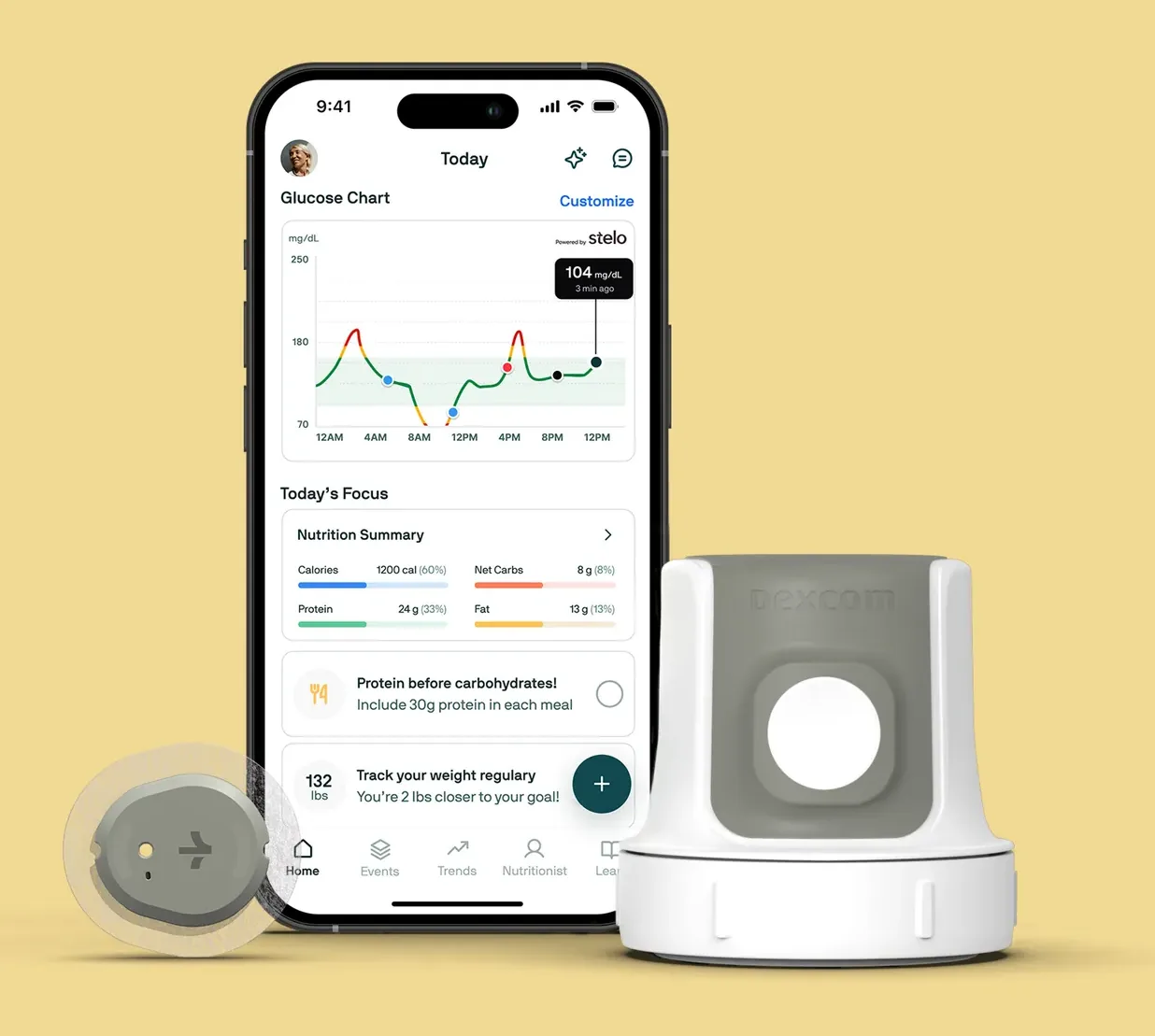
Nutrisense
Two Stelo CGM sensors plus dietitian video calls, sold month to month
$249 a month
Compare with this one →About this review. The facts on this page come from manufacturer pages and regulator records, checked Oct 13, 2026. The sources are listed above.
Our editorial policy →