Panel
MitoPRO 300X
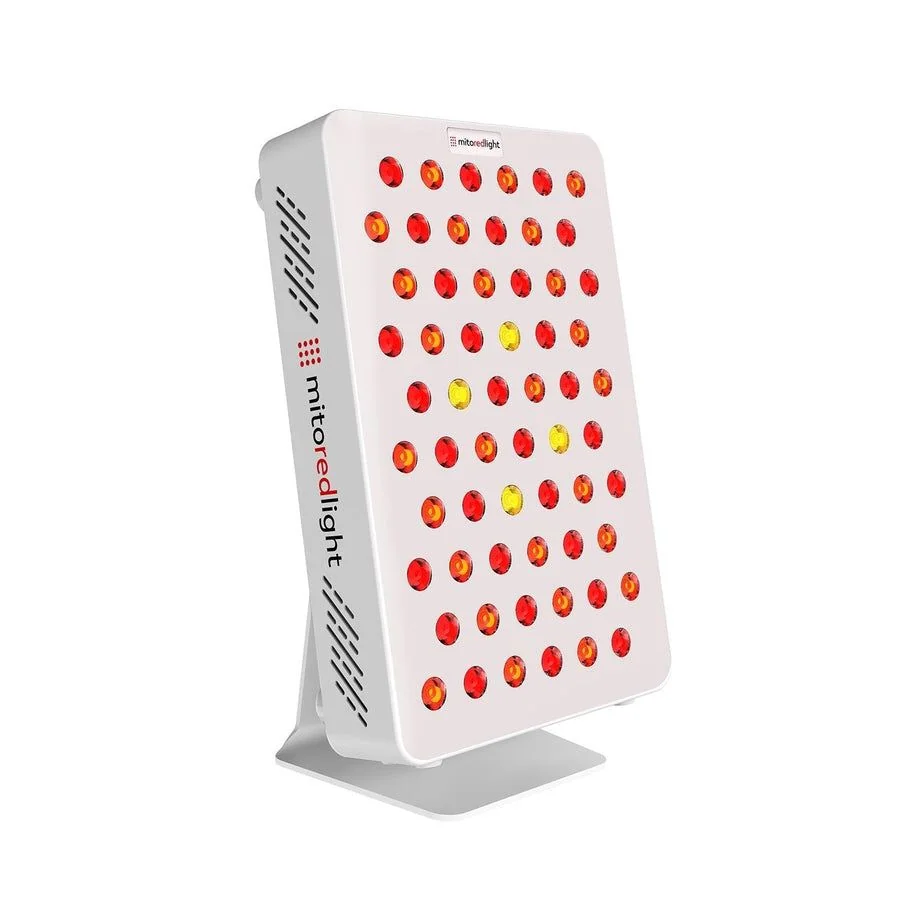
MitoPRO 300X targeted 9.5 by 14.5 inch panel, with tabletop stand
$449US price, checkedCompact six-wavelength tabletop panel for the face, neck or a joint
Check price at Mito Red Light for MitoPRO 300X Full review →SIDE BY SIDE
See prices, running costs, specifications and trade-offs side by side. Choose two to four products of the same type.
Panel
MitoPRO 300X targeted 9.5 by 14.5 inch panel, with tabletop stand
$449US price, checkedCompact six-wavelength tabletop panel for the face, neck or a joint
Check price at Mito Red Light for MitoPRO 300X Full review →
Panel
Single standalone panel, with no kit, mount or stand add-on
$1,699US price, checkedMid-size modular red and NIR panel with app control
Check price at Joovv for Joovv Solo 3.0 Full review →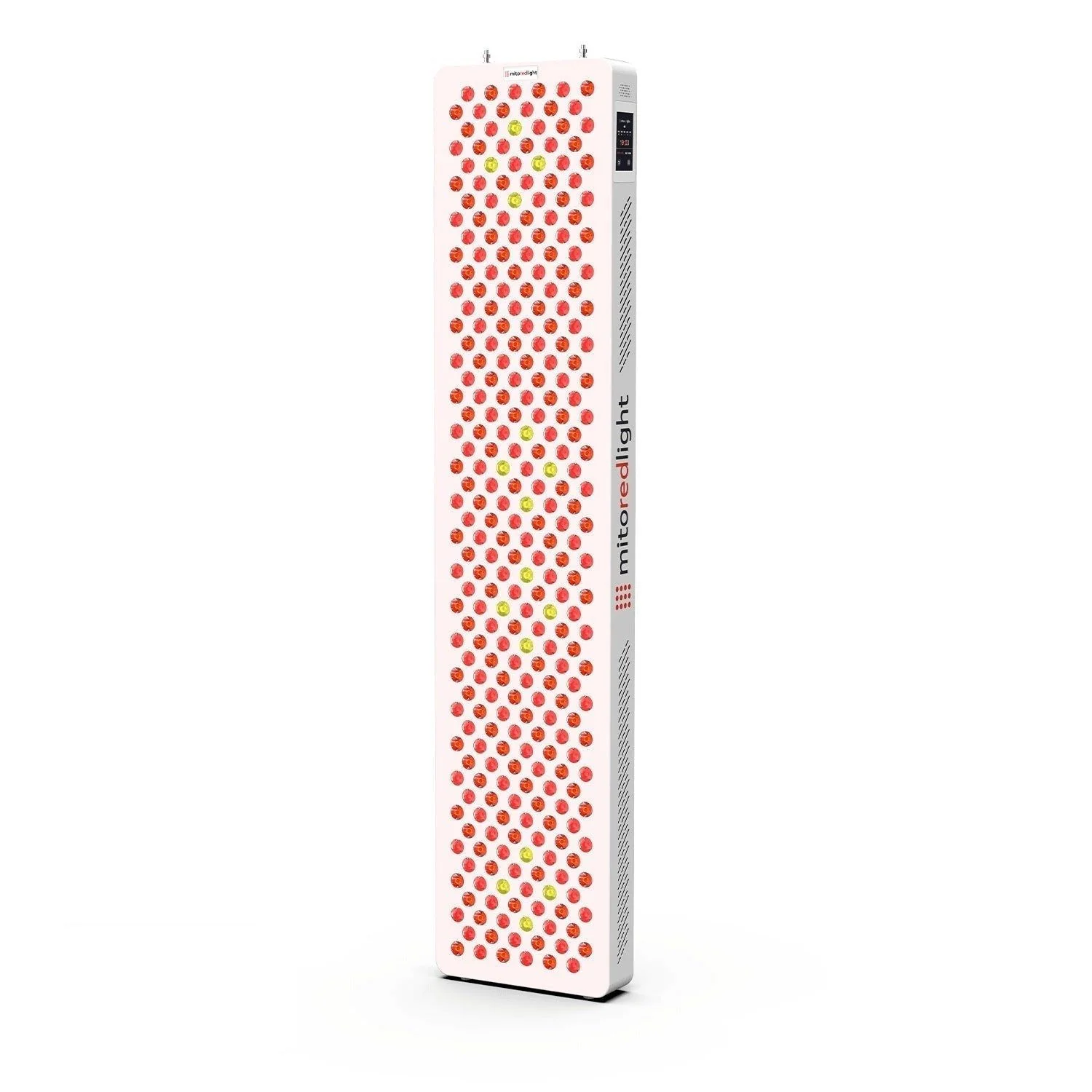
Our full-body panel pick
single 10 by 43 inch panel, with over-the-door hook and hanging cables, no stand
$1,299US price, checkedFull-body six-wavelength panel with a door-hanging kit and lab-tested output
Check price at Mito Red Light for MitoPRO 1500X Full review →Scroll the table sideways to see every product.
| Criterion | MitoPRO 300X | Joovv Solo 3.0 | MitoPRO 1500X |
|---|---|---|---|
| US price | $449Checked Oct 13, 2026 · Price details in the review | $1,699Checked Oct 13, 2026 · Price details in the review | $1,299Checked Oct 13, 2026 · Price details in the review |
| Three-year ownership estimate | $452.45 Planning total. Electricity assumption: $0.18/kWh. | $1,699 Incomplete known subtotal. Not included: installation, other annual costs, energy use. | $1,310.55 Planning total. Electricity assumption: $0.18/kWh. |
| Choose if | You want a small, dimmable panel for your face or a joint that sits on a table, with a three-year warranty. | You want a mid-size, app-controlled panel you can pair with more Joovv panels later, and you value the stated safety certification and the HSA/FSA payment option. | You want one door-hung panel for full-body sessions, with dimmable red and near-infrared light and a three-year warranty. |
| Main trade-off | It covers only small areas, and Mito doesn't publish output at the 12 to 18 inches it recommends. | It costs more than larger rival panels, publishes no wavelengths or wattage, and lists no mounting hardware in the box, so a mount or stand may cost extra. | Mito publishes no output figure at its recommended distance, and returning the 25 lb panel costs you shipping without the optional protection. |
| Key specifications |
|
|
|
| Exact variant | MitoPRO 300X targeted 9.5 by 14.5 inch panel, with tabletop stand | Single standalone panel, with no kit, mount or stand add-on | single 10 by 43 inch panel, with over-the-door hook and hanging cables, no stand |
| Dimensions | 9.5 x 14.5 in (width x height, panel only) and 7 lb, per the product page. Mito says to add about 6 to 8 in to the height if you use its floor or universal stand. It doesn't state panel depth. | 8.75 × 36 in, from a product tag on Joovv's online store. Depth isn't stated. The store also gives a weight of 25 lb but doesn't say whether that's the panel or the packed shipment. | 10 x 43 in (width x height, panel only) and 25 lb. Mito says to add about 6 to 8 in to the height on a floor or universal stand. It doesn't state the depth. Mito's lab-test table lists the panel as 42 x 9 in instead, without explaining the difference. |
| Installation | The 300X comes with a tabletop stand. The manual says to pull it out and set the panel on a level surface. The manual's door-hanging steps cover only the 750X and 1500X. The $139 floor stand is listed for those two panels only. The $349 universal stand fits every MitoPRO X size. The panel plugs in with the supplied 16 AWG power cord. Mito doesn't state input voltage or amperage, and it doesn't call for a dedicated circuit. | No electrical work is described. The product page has separate "Choose your kit" and "Choose your setup" selectors. Product tags on Joovv's online store name door, wall, stand and tabletop-stand setups. Setup prices weren't shown in the page text reviewed. In-box contents aren't stated, including any mounting hardware. | An over-the-door hook, steel hanging cables and four vinyl straps come in the box. The manual shows how to hang the 1500X from a door but gives no weight limit for the hook. Mito's floor stand ($139) and universal vertical or horizontal stand ($349) fit the 1500X but cost extra. The panel plugs in with the supplied 16 AWG cord. Mito doesn't state input voltage, current draw or outlet needs. The only electrical rating in the manual is the 10 A, 250 V fuse. The manual gives an operating range of 45°F to 115°F. |
| Materials | Not stated by the manufacturer. | Not stated by the manufacturer | Not stated by the manufacturer. |
| Warranty | Three years on MitoPRO X panels, starting on the delivery date. It covers only the original purchaser who bought from mitoredlight.com or an authorized reseller, and it can't be transferred. It covers defects in material or workmanship under normal use, but not negligence, improper maintenance, modification, theft or loss. Mito doesn't repair units or supply parts. It replaces an eligible panel with a brand-new one. You send back the whole product with all its parts. Mito pays the postage for the first 180 days. After that, you pay to ship it in. Claims start by email to info@mitoredlight.com. | 2-year warranty, per the product page badge and a product tag on Joovv's store. Coverage terms and exclusions weren't captured. | Three years on MitoPRO X panels, starting on the delivery date. It covers defects in material or workmanship under normal use, for the original purchaser only. Negligence, improper maintenance, modification, theft and loss aren't covered. Mito doesn't repair panels or supply parts. It replaces eligible units, and you send back the whole product. Mito pays for the return label only in the first 180 days. Claims start by email to info@mitoredlight.com, and Mito may ask for photos or video of the defect. |
| Returns | 60 days from delivery, postmarked within the window, with no restocking fee. The panel must come back in its original packaging, and damaged or unsellable returns are refused. Return shipping is on you unless you bought Free Returns & Package Protection at checkout. The policy page doesn't price that option, and its fee isn't refunded. Original shipping fees aren't refunded either. Refunds go to your original payment method, and Mito says to allow up to 5 business days. | A product tag on Joovv's online store lists a 60-day trial period. The product page links to a Returns page but gives no return conditions or return-shipping costs. | 60-day trial from delivery, with no restocking fee. The return must be postmarked within the 60 days and go back in the original packaging. You pay return shipping unless you added Free Returns & Package Protection at checkout. Mito doesn't state that option's price. Shipping fees and the protection fee aren't refunded. Shipping damage must be reported within 10 days of delivery. |
| Unresolved questions |
|
|
|
These comparisons use published specifications, not head-to-head tests. Prices and terms are dated. Unknown costs are not zero. Check the exact variant before you buy.